How we get there
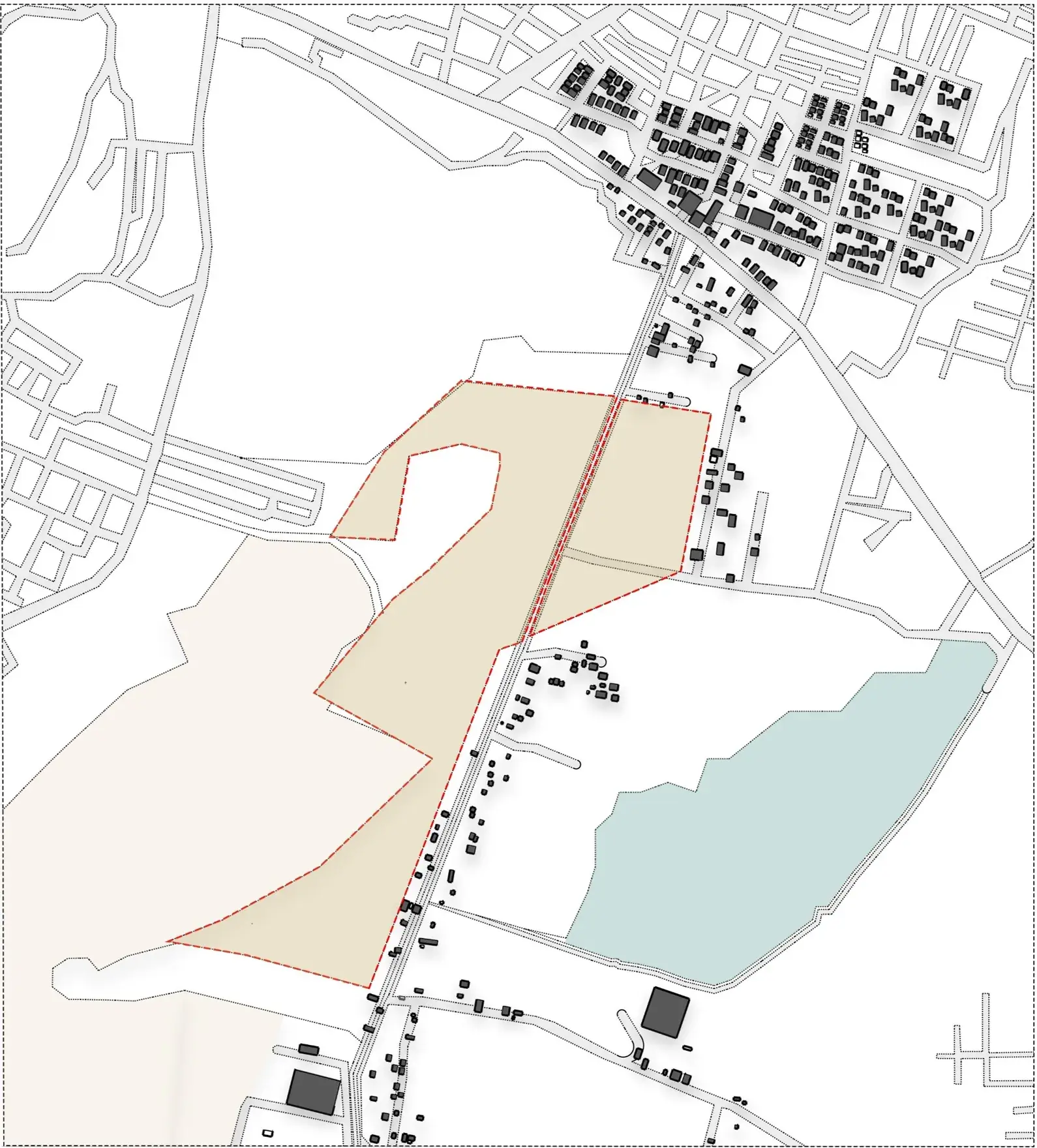
Every plan begins with evidence. We build the picture of a place before we propose anything for it.
- Collection of spatial data
- Study demographics
- Analyse geographical data
- Integrating smart approach
- Better planning & future ready
Urban planning is the process of designing and regulating land use, infrastructure, and the built environment in cities and towns. Its primary goal is to optimise the physical layout of human settlements.

Every plan begins with evidence. We build the picture of a place before we propose anything for it.
Collection of spatial data
Study demographics
Analyse geographical data
Integrating smart approach
Better planning & future readyFrom the smallest street layout to the scale of a region, the same discipline holds.
Micro level — street layouts
Macro — regional corridors
Metropolitan levelsPlanning only works when it is written into the systems that govern a place.
Land use and zoning
Transportation logistics and public utility
Statutory construction rulesCities operate as dynamic ecosystems where physical infrastructure, transit networks, social structures, and economic vitality are deeply interconnected. Addressing urban challenges requires an integrated approach rather than isolated interventions. By designing cohesive frameworks, we optimise daily civic experiences, strengthen community cohesion, and build adaptive resilience to accommodate population growth.
Sustainable urban outcomes rely on data-backed spatial strategy and empirical context. We synthesise land-use patterns, mobility networks, environmental data, and local socio-cultural dynamics to establish evidence-based planning models. By coordinating across engineering, architectural, and public sector disciplines, we develop scalable strategies that bridge the gap between neighbourhood-scale interventions and macro-regional frameworks.
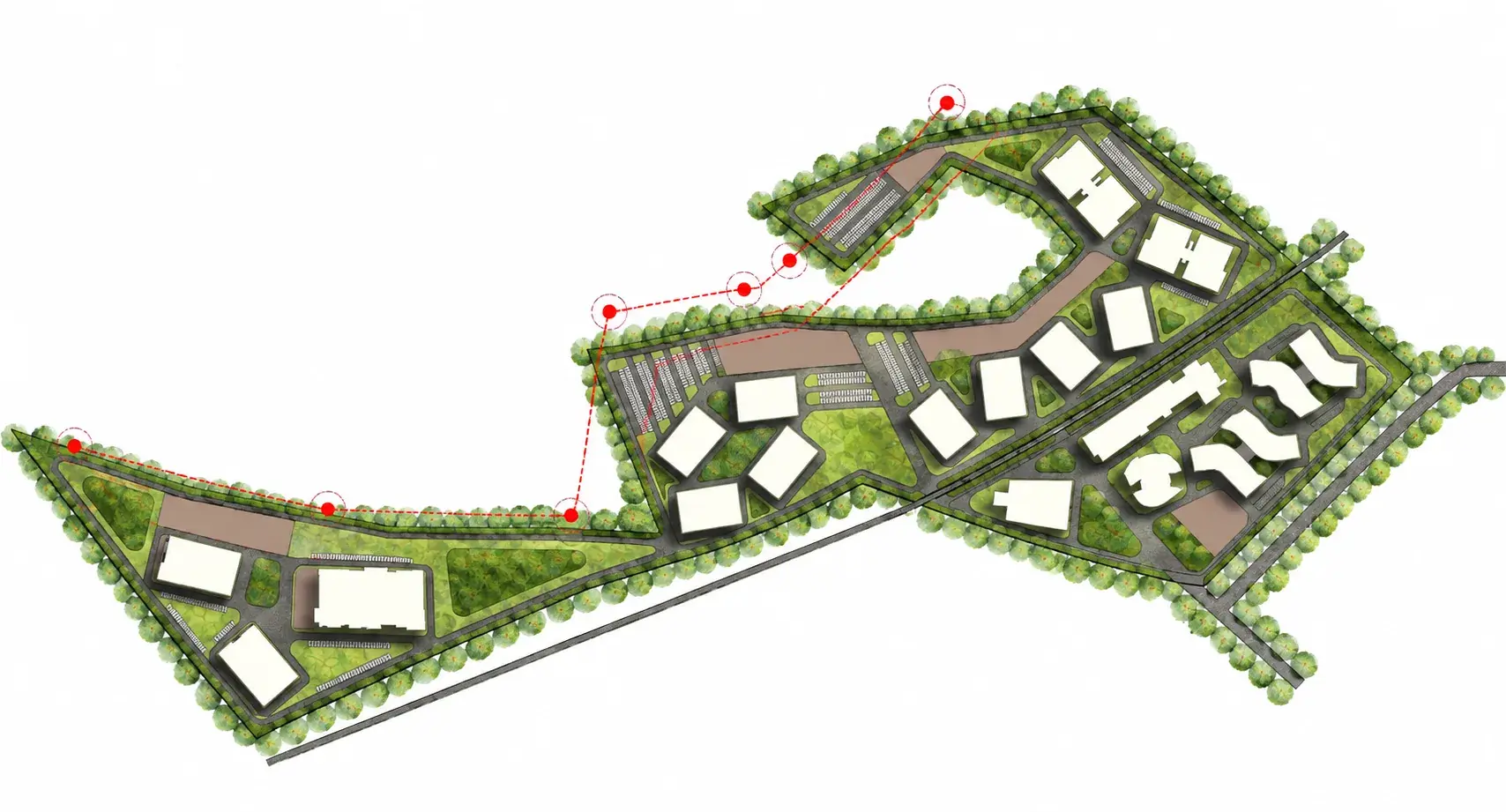
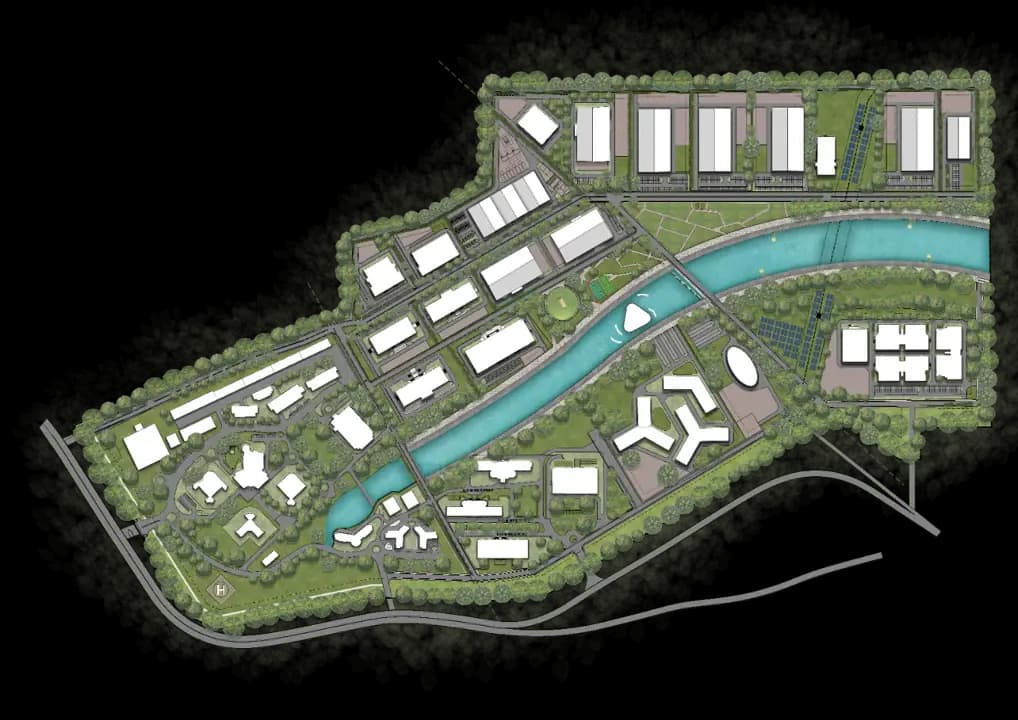
We translate strategic frameworks into adaptable built environments, ranging from transit-oriented hubs and civic districts to waterfront revamps. These interventions establish flexible physical foundations that accommodate long-term economic, environmental, and demographic shifts.
“Our core objective is to deliver functional, high-performing urban spaces that support economic growth and community well-being over generations.”
The idea is to focus on creating connected public realms, walkable neighbourhoods, mixed-use districts, transit-oriented developments, streetscapes, and civic spaces that enhance urban quality and foster inclusive communities.